
SHOP TAYLOR SWIFT
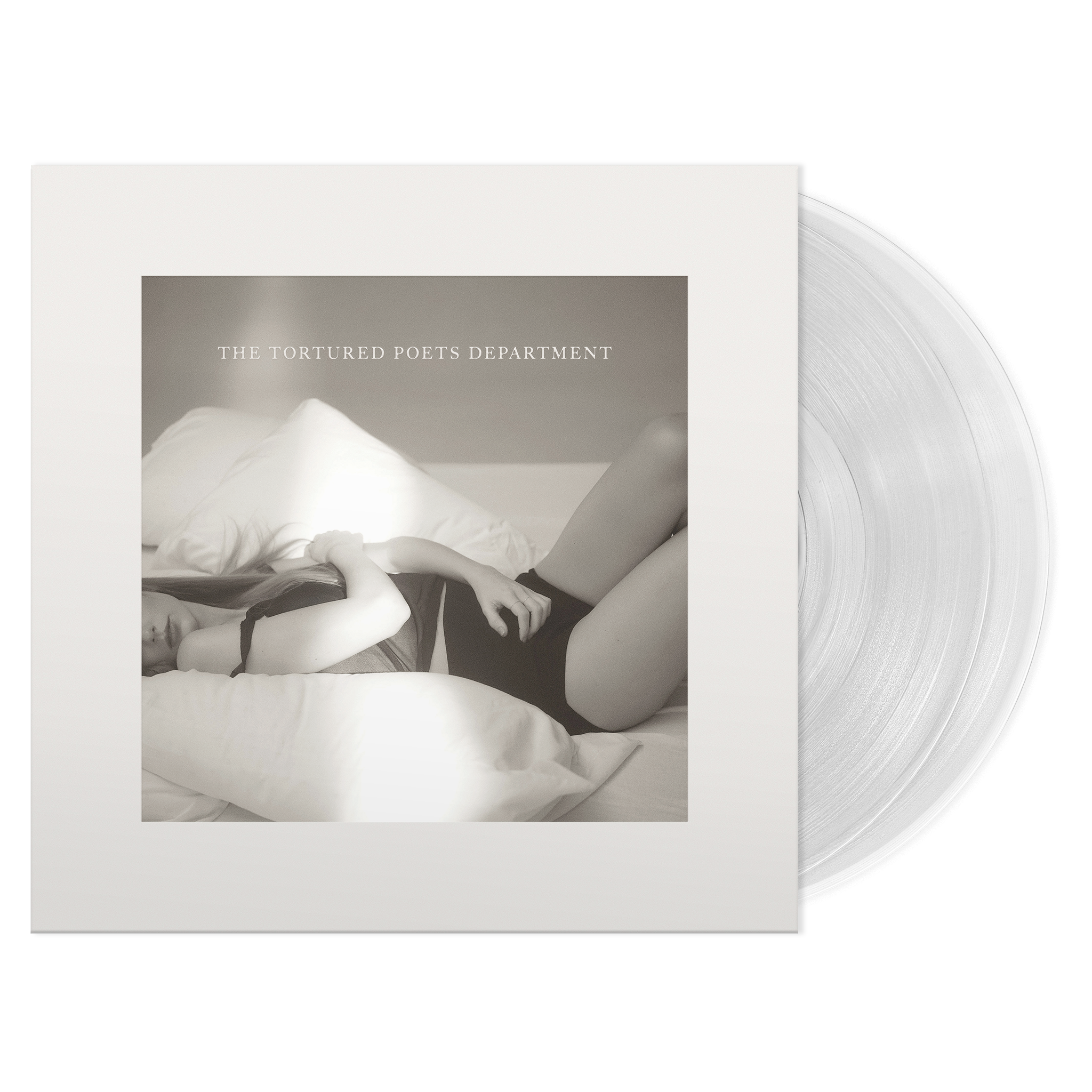
- Taylor Swift
The Tortured Poets Department Phantom Clear Vinyl + Bonus Track "The Manuscript"
£33.99
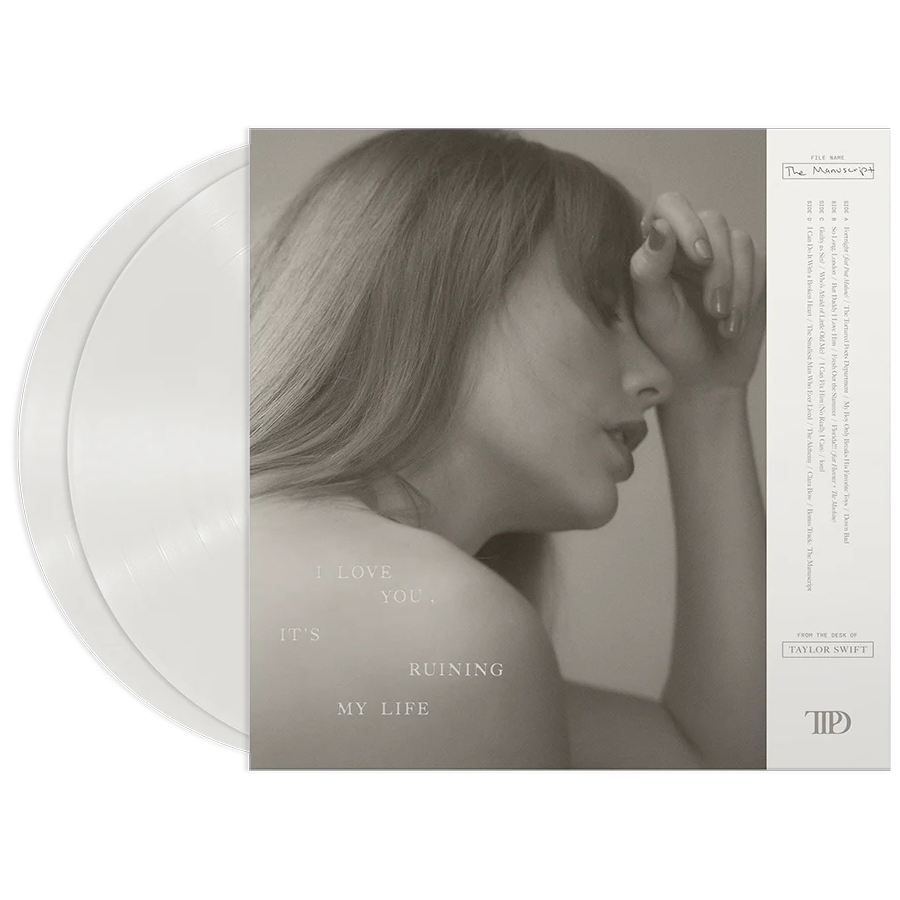
- Taylor Swift
The Tortured Poets Department Vinyl + Bonus Track "The Manuscript"
£33.99
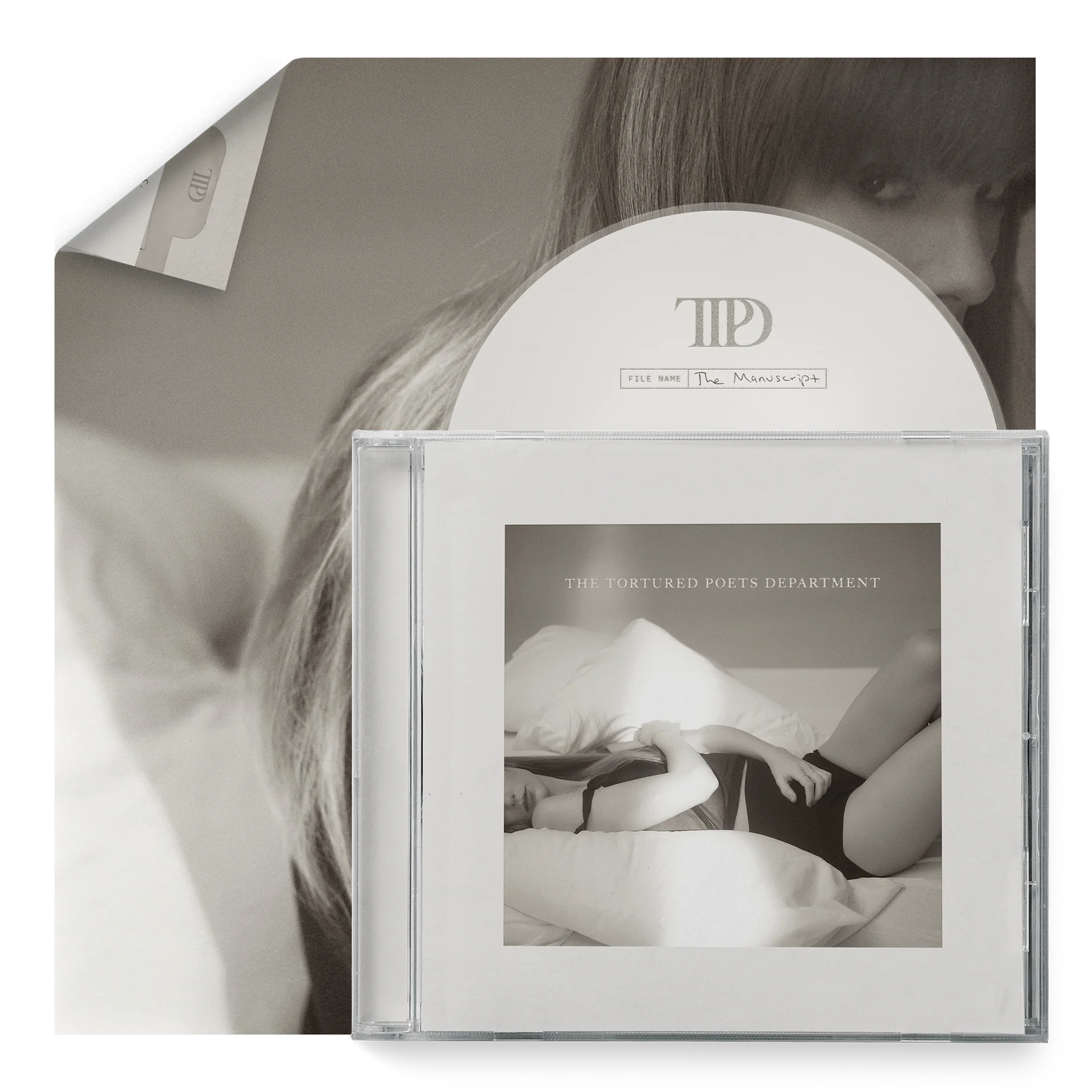
- Taylor Swift
The Tortured Poets Department CD + Bonus Track "The Manuscript"
£13.99


- Taylor Swift
Speak Now (Taylor's Version) 3LP Lilac Marbled Vinyl
£39.99


- Taylor Swift
1. the “in the trees" edition deluxe vinyl
£35.99


- Taylor Swift
Fearless (Taylor's Version): Gold Vinyl 3LP
£45.00


NEW RELEASES
- Taylor Swift
The Tortured Poets Department Phantom Clear Vinyl + Bonus Track "The Manuscript"
£33.99
- Taylor Swift
The Tortured Poets Department CD + Bonus Track "The Manuscript"
£13.99
- Taylor Swift
The Tortured Poets Department Vinyl + Bonus Track "The Manuscript"
£33.99
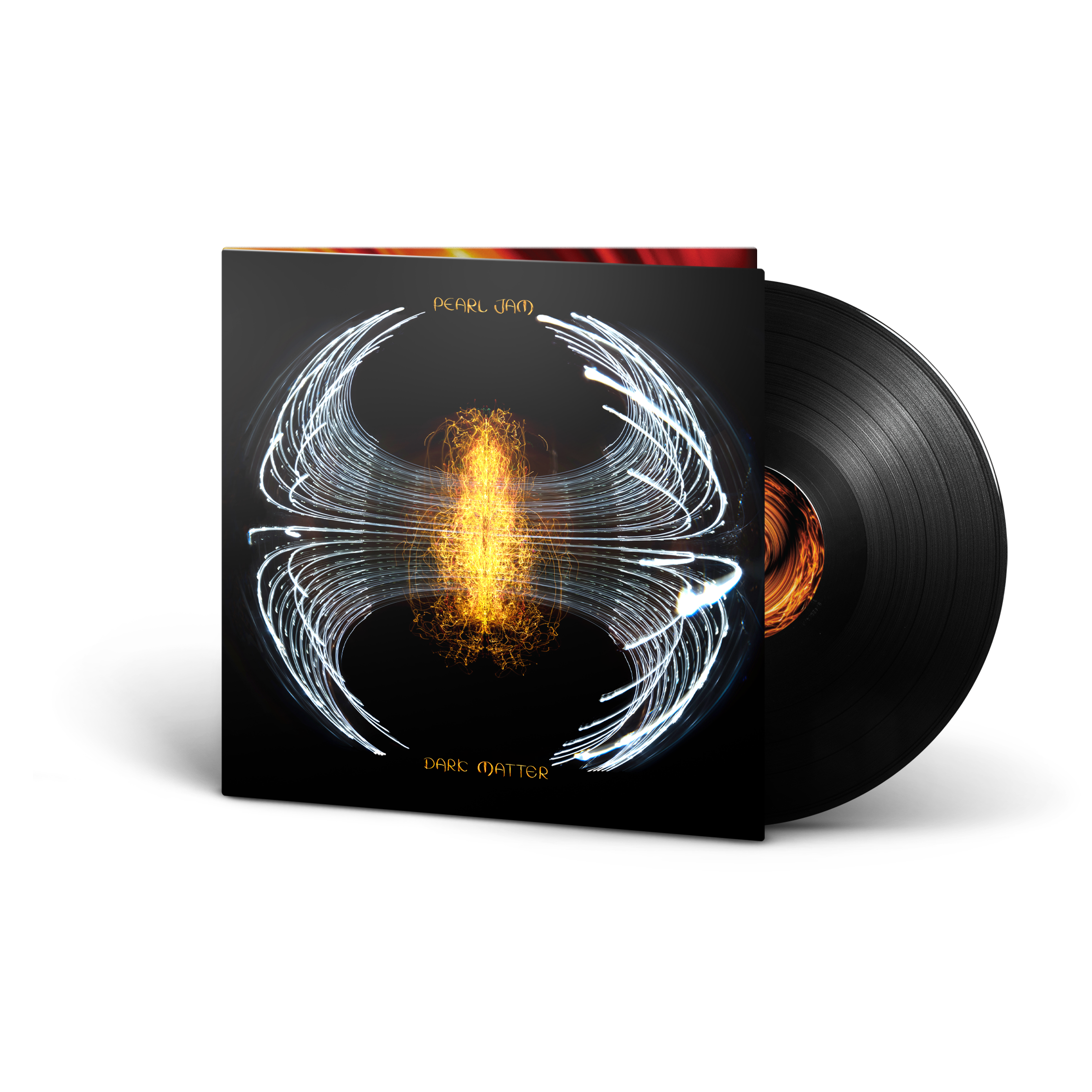
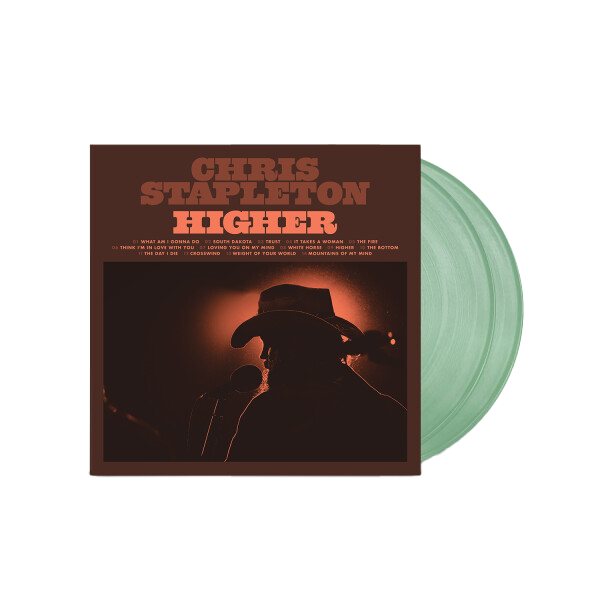
- Chris Stapleton
Higher: Exclusive Cola Bottle Clear Vinyl 2LP
£35.99
PRE-ORDER
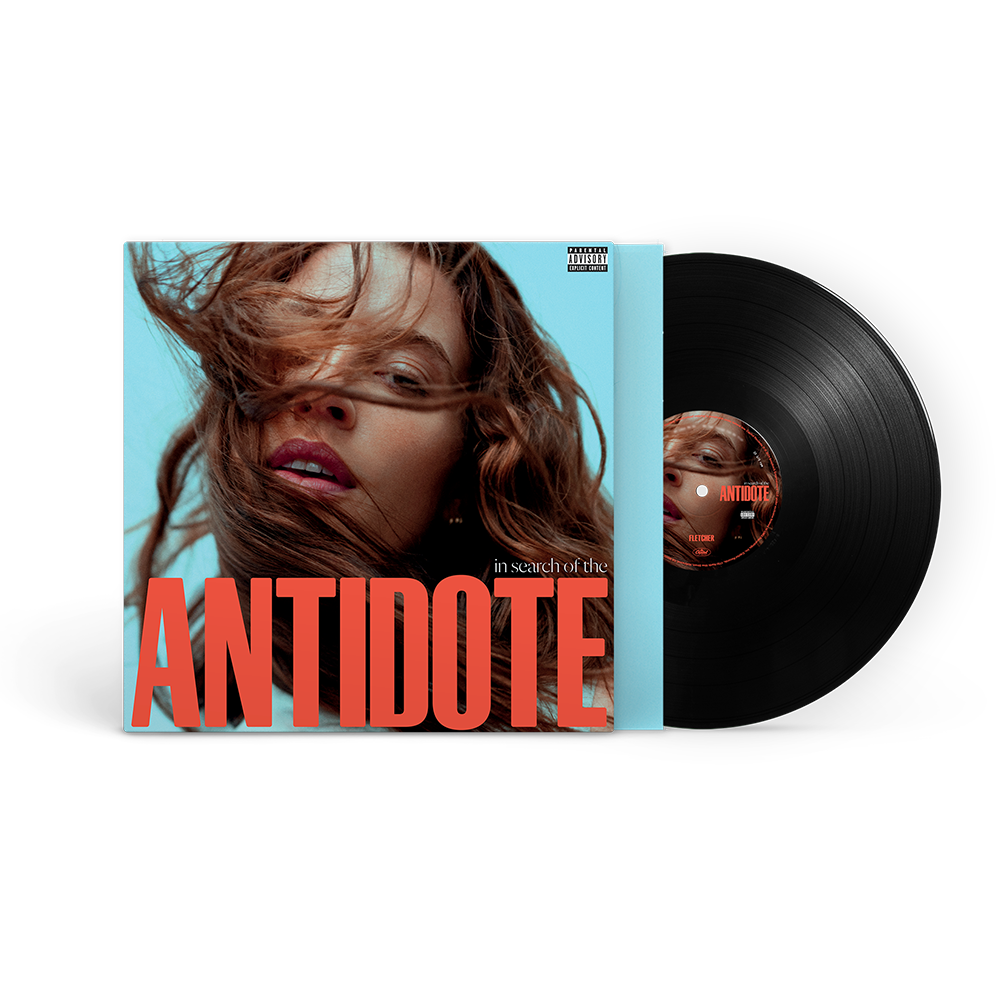
- FLETCHER
In Search Of The Antidote (For The Universe) – Standard Black Vinyl
£25.99
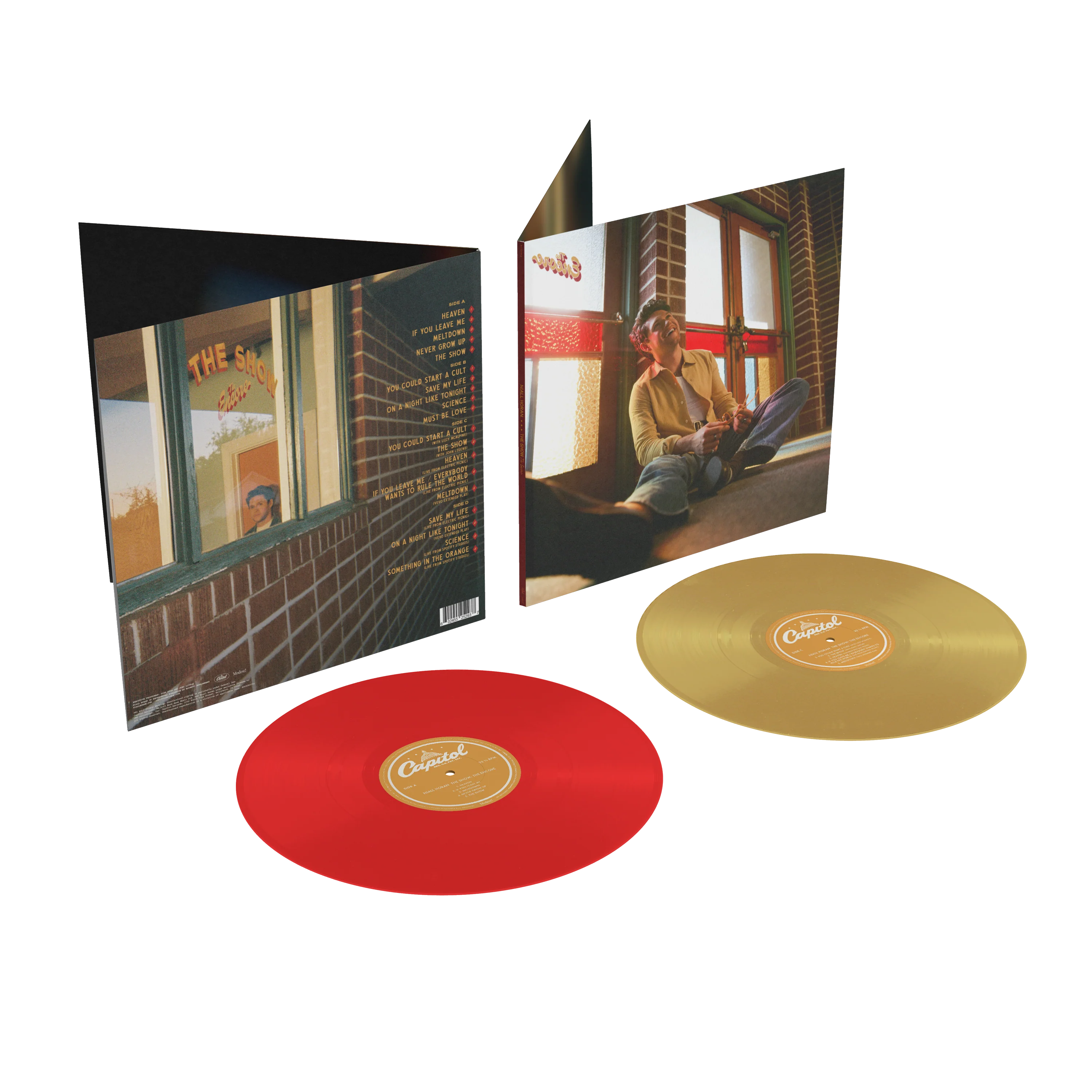
- Niall Horan
The Show Encore Edition - Gatefold 2LP Vinyl
£39.99

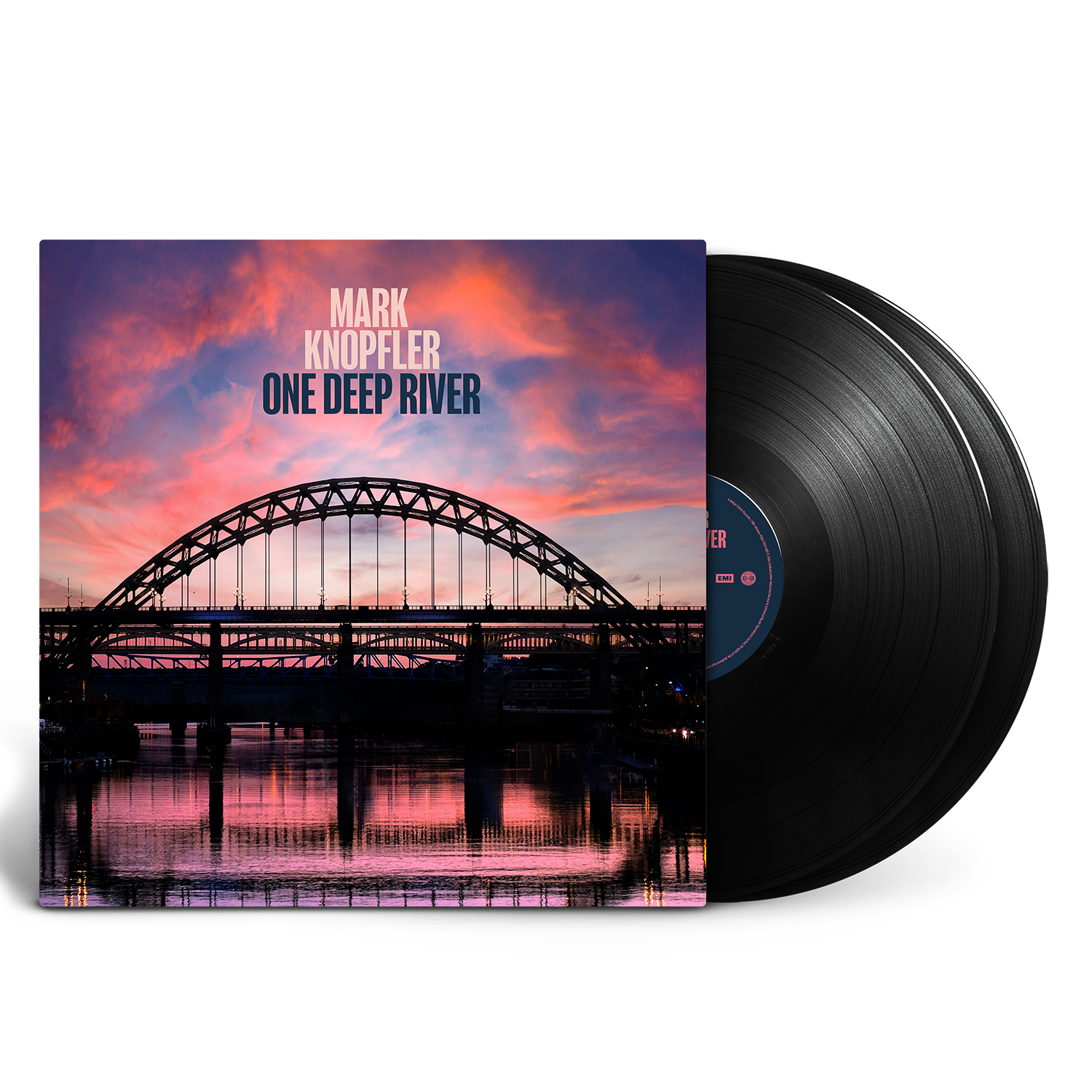
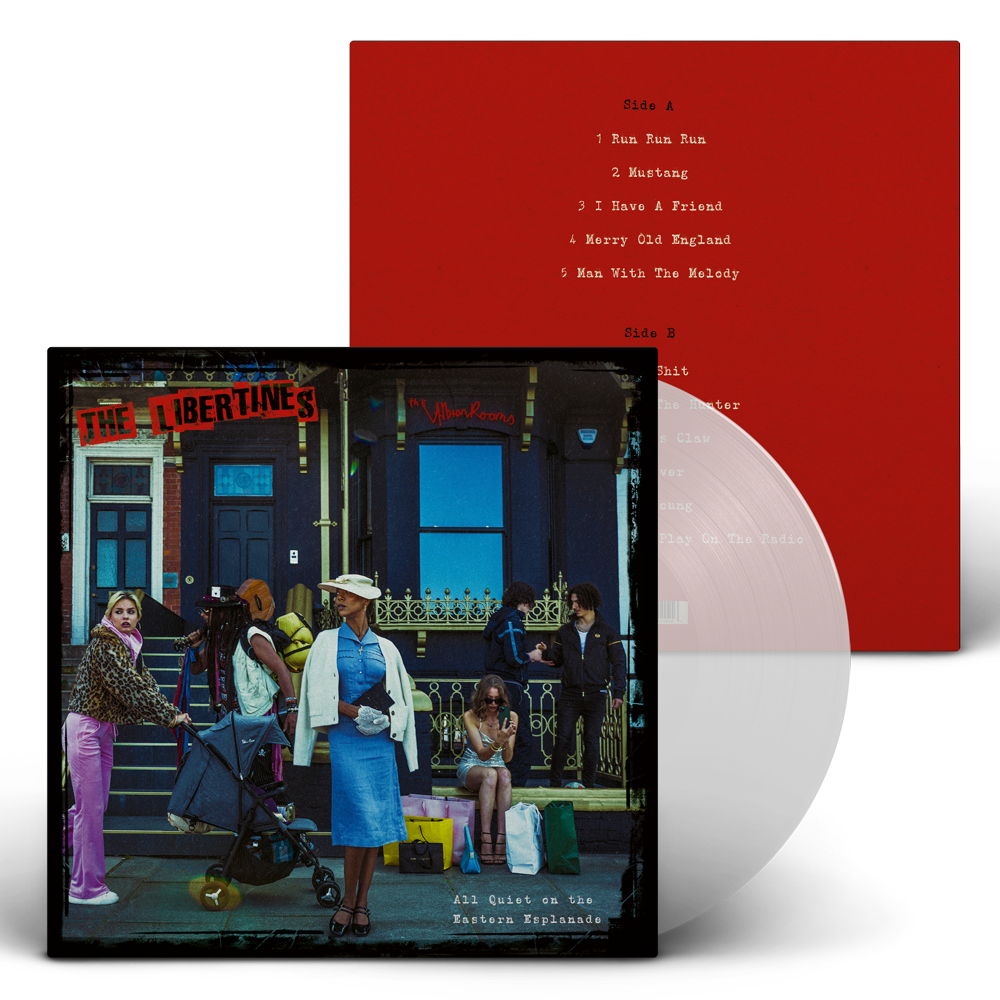
- The Libertines
All Quiet On The Eastern Esplanade: Limited Clear Vinyl LP
£31.99
- The Libertines
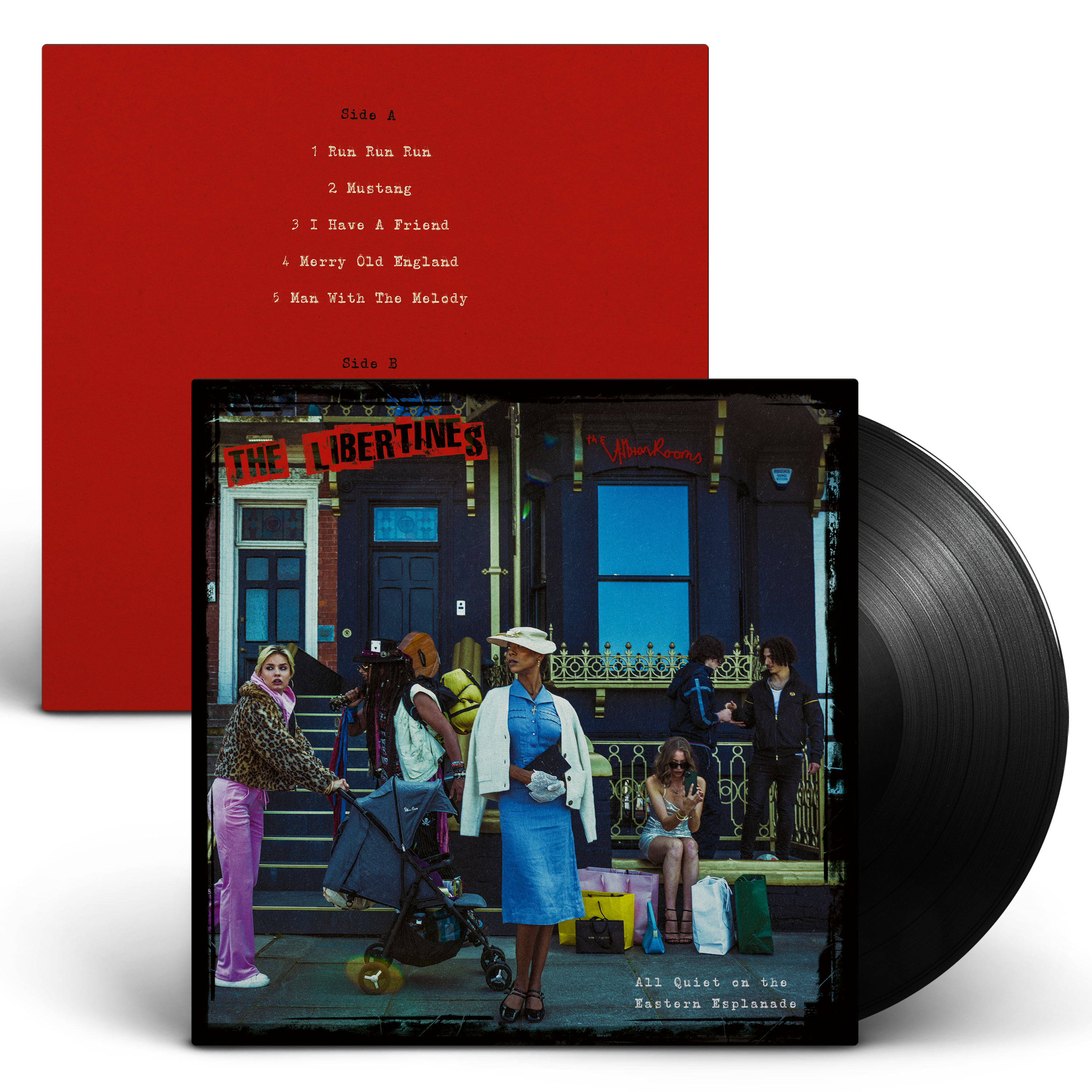
All Quiet On The Eastern Esplanade: Vinyl LP
£28.99
TRENDING
- Niall Horan
The Show Encore Edition - Gatefold 2LP Vinyl
£39.99
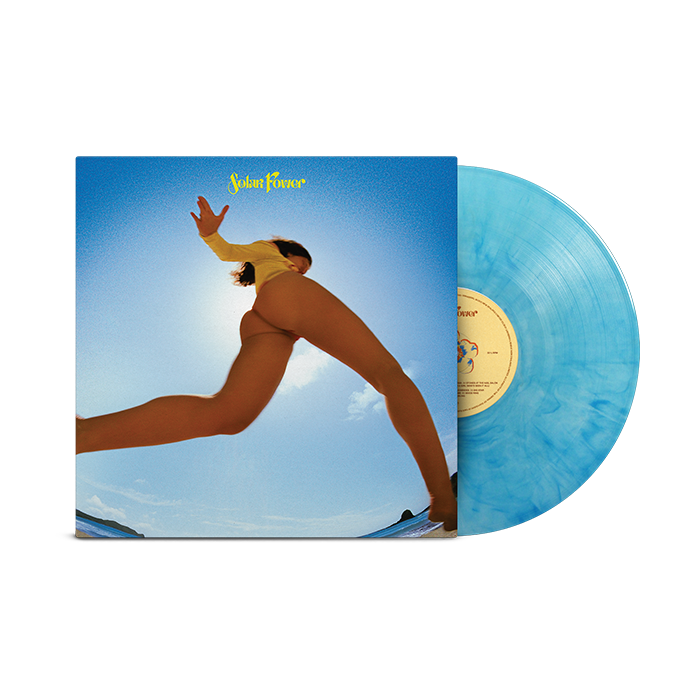
- Lorde
Solar Power D2c Exclusive Colored Vinyl - UK Only
£29.99